lundi, septembre 20, 2010


what is this what is this what is this what is this what is this what is this what is this what is this what is this what is this what is this what is this what is this what is this what is this what is this

mardi, septembre 14, 2010

what is this what is this what is this what is this what is this what is this what is this what is this what is this what is this what is this what is this what is this what is this what is this what is this

This week I am working on drawings and reading books about printmaking (when not sleeping, eating, making little time lapse film studies or going to the LatinBeat Film Festival at Lincoln Center.)

Best Film so far is the Chilean film called Optical Illusions:

“Optical Illusions” (Ilusiones Opticas)
Cristian Jimenez, Chile, 2010; 105m NY Premiere
Juan is able to see again after a lifetime of blindness, but this only seems to have made his life worse. Rafa, a security guard at the local mall falls in love with a wealthy shoplifting customer and Manuela, his sister, works in a dreary office but dreams of breast implants to improve her life. Jimenez’s delightful satirical comedy turns inside out the perceptions of a parade of quirky but endearing interconnected characters, poking fun at our own assumptions of reality.

I can't seem to find much about this film on you tube.

http://miami.bside.com/2010/films/opticalillusionsilusionespticas_miami2010;jsessionid=16969150740028BD46AADE96B7BD6648

jeudi, septembre 02, 2010

Earl, ASL, Art Co-op

what is this what is this what is this what is this what is this what is this what is this what is this what is this what is this what is this what is this what is this what is this what is this what is this

I set my alarm for 5AM to get up and go running before it got too hot. This did not happen. Instead, I woke up at ten with an urge to go out to Queens to buy wood to strech canvas. This did not happen either. Instead I got out of the crowded 1 train at 110 to get a cold drink and watched some firemen doing something with a hydrant, then rode down to the art student's league and was thinking about printmaking with Micheal Pelletieri when my mom called me to say there was a storm headed this way and it's name is Earl. From there I walked to MOMA, sat in the cafe and made lists of people I should write to: Noam Chomsky, Greg Williams, Marshall Berman, Ghislaine Hermanuz, Marta Gutman, Bags for the People, Modern Painter, Grace Knowlton, Yvonne Rainer, Scherezade, Megan FOster, Sylvia Netzer, Tom Willome, Dan Southerland, Steve KNoll, Tom Beach, Linda Montano, Alvin Osteroff, Juli Burden, Beth CCameron, Scott Hinson, Bill Lundberg, Susan Whyne, Maggie Bogdanovich, Lisa Gonzales...the list goes on. I ran through the painting exhibit and the women photographer's and on the way out made a short film in the garden. Then I jumped on a bus to the library where (after stopping for hamburgers) I saw a nice slideshow/talk about architectural walking tours and MAS. Yesterday I met with Steve Chiu about starting an art co-op/collective of some sort. Next Meeting is September 15th if you are inclined to sit on the board. Now home to work on a portfolio of some sort!

jeudi, août 05, 2010

RE: cycling day

what is this what is this what is this what is this what is this what is this what is this what is this what is this what is this what is this what is this what is this what is this what is this what is this Thursday...recycling day...here at CCNY charging various devices and uploading pictures from the new (refurbished) Nikon 700 found in the Used department at B&H. It is unique in that it has these great time-lapse and stop motion features which I am loving very much. I miss my Canon, but this Nikon is VERY sweet. I brought it with me to Albany Tuesday when I went with Metropolital Council on Housing to urge NY State Senators to support Real Rent Reform. Sad about the loss of the rubber piece off one of the legs of my grandfather's tripod. If found please return.

I saw Liz Kruger...sponsor of Real Rent Reform bills...My very handsome senator, Bill Perkins...there was a bit of a (mal entendu?)skermish in which Pedro (Escobar?) was yelling, "Bull! Bull! Bull!" all in all a very fun trip. NY Senate is gorgeous...well worth the trip for that alone. I heart democracy.


I am contemplating bicycles.

mercredi, juillet 28, 2010

Court Skort

what is this what is this what is this what is this what is this what is this what is this what is this what is this what is this what is this what is this what is this what is this what is this what is this

After much running around, I have acquired two new, not in-expensive skorts. One is black and made by ADIDAS. The other is blue and made by Nike. I am very happy with these as they are cool and comfortable and not too shabby. I got them at the running store. I am afraid I am now addicted to expensive running attire. I rationalize this addiction by hoping I will be encouraged to exercise more and eat less.

Today was my housing court date with 545 W 146th ST. CORP. The new attorney for 545 (Joel Charlston) turns out to be fairly nice and reasonable. We scheduled a time (Friday noonish) for him to come by and photograph 545 W 146th Street in all it's glory as he had not yet seen the building. We agreed to adjourn the case (73150)until August 25th, 2010. I feel pretty good about this.

vendredi, juillet 23, 2010

what is this what is this what is this what is this what is this what is this what is this what is this what is this what is this what is this what is this what is this what is this what is this what is this

THis week I made a few trips to Queens. I took the 7 train to the last stop in Flushing and walked to Queens College and the CUNY law library then back to Flushing Meadows Corona Park Sight of two NY World's Fairs ant the Queens Museum of art. While there I made some notes:

The Curse of Bigness
Dennis + Eric Oppenheim
Hiroshi Sunairi
Guy Ben-Ner
Great Small WOrks-Toy Theater of Terror
El Panorama
J. Morgan Puett-Human U Factor
Tiffany Glass Co.
Dulce Pinzon
Whitney Darrow, Jr.
Pedro Meyer
Claudia Vierira

lundi, juillet 19, 2010

a few inches later-happy sad angry scared

what is this what is this what is this what is this what is this what is this what is this what is this what is this what is this what is this what is this what is this what is this what is this what is this

It's Monday. I'm here at the Science and Business Library, hot and sweaty with nine (now eight) days to fill before my housing court date on the 28th...thinking I will visit nine museums in these nine days. This afternoon I ran through the first floor of PS1's Greater New York show and made a list of things:

Brooklyn Rail
Phil Specter and the Wall of Sound
Waiting for Superman
Merce Cunningham
WACK!
Gavin Brown
Andrew Roth In Numbers/X-initiative
Metropolital Opera+ William Kentridge
Yvonne Rainer
Rashad Newsome-Shade Compositions-Ramis Barquet Gallery
David Brooks
Franklin Evans-Time Compression Machine
Emily Roysdon
Lucy Raven
Deville Cohen

out of time...gotta run!

lundi, juin 28, 2010

Inspirational Green Things


what is this what is this what is this what is this what is this what is this what is this what is this what is this what is this what is this what is this what is this what is this what is this what is this

It is HOT out.

Here I am in the air-conditioned computer lab
in the North Academic Center at CCNY.
My list of things to do today looks like this:

Look for examples of community garden projects

Laundry

Get letter from post office

Continue watching the first season of Six Feet Under in French with Spanish subtitles

Eat lentil soup

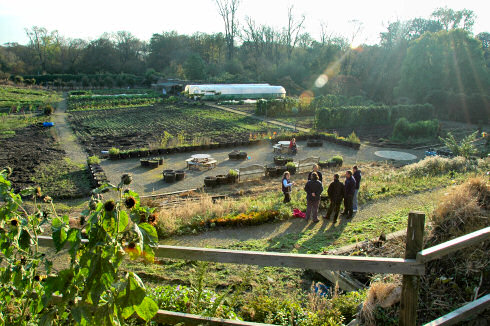
Today CAN (City Agriculture Network)
and St. Luke's Episcopal Garden will meet to brainstorm
ideas for the coming years. Here are some inspirational
green things found on the web:


jeudi, juin 17, 2010

solar panal composting art co-op bookstore sister city television food co-op block association get sweat pants write proposal write letters pay taxes

what is this what is this what is this what is this what is this what is this what is this what is this what is this what is this what is this what is this what is this what is this what is this what is this

This past month has been a bit of a blur. Much time has been given to waking dreams, questions about the SEC, eating, and playing with my replacement tv/computer...the ipod. I curse the adobe lego symbol that means that the content not ipod friendly. Also the content for the ipod is less and/or different than a regular computer might get. I still can't really believe my cousin Scott has died in a car accident. I prefer to think he has changed his name and joined the CIA or some other clansdetine operation.

Today I rode out to PS1 then back to SIBL (Science and Business Library)after talking to Michelle about hydro-fracking and gardening. Now I am off to buy sweatpants. I hope to spend a good part of July on Ohio with my grandmothers and sundry relations.

mercredi, avril 07, 2010

City Agriculture Network (CAN)


what is this what is this what is this what is this what is this what is this what is this what is this what is this what is this what is this what is this what is this what is this what is this what is this

samedi, janvier 09, 2010

Happy Gnu Year!

what is this what is this what is this what is this what is this what is this what is this what is this what is this what is this what is this what is this what is this what is this what is this what is this

Sitting here listening to WNYC drinking Bernardo’s espresso black with Bernardo’s honey, thinking about watching another episode of the Mighty Boosh and/or Nevermind The Buzzcocks and/or the Daily Show. Is this a good use of my time here in NYC? Shouldn’t I be going to museums and running in the park? Belly dancing? Bike riding? Doing laundry? Getting acquainted with the neighbors? Working on and art project? Getting rid of clutter? Filing things? Looking for a job?

No. I am staying inside, drinking coffee, listening to the radio, singing “This Little Light”, reading Schapiro’s Words and Pictures, and watching television on the computer.
Last night I found Todd Brooks on You Tube. It seemed like it could be slightly live.

lundi, décembre 28, 2009

what is this what is this what is this what is this what is this what is this what is this what is this what is this what is this what is this what is this what is this what is this what is this what is this

a letter...Sitting here on the futon in the dining room communing with the spirits and practicing typing....I vow to write more and better letters...pee...and look for the S21 E04 part one on you tube...wondereing if this is avril levine reeally is an anagram of vagin...no...no...I guess it's not.

Here it is: http://www.youtube.com/watch?v=i9k8Dx6OF9M&feature=related

je t'aime...La vie c'est bon...vraiment...Je s un jour quand une amis (aident?)-moi...Je me rappelle un jour où un ami m'a aidé. J'étais triste. Je pensais avoir échoué à un examen de français...hmmm...d'accord...je t'aime...La vie c'est bonne...vraiment...Je me rappelle n jour ou un ami m'a aide...J'etais triste...Je pensais avoir echoue a un examen de francais...

Maintainent...un crimp nouveau

row...row...pan...cake...row...row...pan...cake...cellular mitosis...cellular mitosis...electromagnetic fields...onion...onion...chive...soft nose...hold your horses...big eyes...big eyes...fold...fold...lace

vendredi, décembre 04, 2009

Two Books From the Piles and Piles of Books that have Collected Here on and Around the Dining Room Futon

what is this what is this what is this what is this what is this what is this what is this what is this what is this what is this what is this what is this what is this what is this what is this what is this

We all know that the best kind of book to own is a refrence book. This is a very excellent reference book: Bill Risebero's Modern Architecture and Design: An Alternative History. The edition I have is a First MIT Press Edition published in 1983. The inside flap of the dust jacket has a quote from Sir James Richards which reads, "A really brave attempt to put into historical perspective the present confused and conflicting opinions about modern architecture and design." The book is divided into eight sections (1. The modern Prometheus: The industrial revolution; 2. Contrasts: Britian and America in the late 19th Century; 3. The philosophy of right: Continental Europe in the early 19th century; 4. How we live and how we might live; Europe in the mid-19th century; 5. The will to power: Europe and America in the late 19th century; 6. The light that failed: The turn of the century; 7. The state and revolution: The First World War and after; 8. Brave new world: The Second World War and after). The best thing about this book: the numerous b&w illustrations. What may make the history seem confused and conflicted is the effort to present an alternative history that is still Eurocentric.

Howard Zinn and Anthony Arnove's voices of a peoples's history OF THE UNITED STATES is another great reference book picked up at a free event at Cooper Union a few years ago. Published in 2004 by Seven Stories Press, Voices consists of hundreds of historic essays, letters and speaches organized into 24 groupings: 1) Columbus and Las Casas 2) The First Slaves 3) Servitude and rebellion 4) Preparing the Revolution 5) Half a Revolution 6) The Early Women's Movement 7) Indian Removal 8) The War in Mexico 9) Slavery and Defiance 10) Civil War and Class Conflict 11) Strikers and Populists in the Guilded Age 12) The Expansion of the Empire 13) Socialists and Wobblies 14) Protesting the First World War 15) From the Jazz Age to the Uprisings of the 1930's 16) WWII and McCarthyism 17) The Black Upsurge Against Racial Segregation 18) Vietnam and Beyond: The Historic Resist 19) Women, Gays and Other Voices of Resistance 20) Losing Control in the 70's 21)The Carter-Reagan-Bush Consensus 22)Panama, The 1991 Gulf War and the War at Home 23) Challenging Bill Clinton 24)Bush II and the "War on Terror"

lundi, novembre 23, 2009

On Community and Architecture (dot com)

what is this what is this what is this what is this what is this what is this what is this what is this what is this what is this what is this what is this what is this what is this what is this what is this


The New Urbanism: Toward an Architecture of Community
by Peter Katz, I have been carrying around this book for weeks.

Many years ago (2001), while working at Half Price Books 007, I ran across a new book about a couple who lived for a year (the first year) in Celebration Florida. Their book (Celebration, FL: Living in Disney's Brave New Town)is not an entirely favorable review of the planned community. After flipping though, I was left with what could be called a seething hatred for this type of development. When I think of New Urbanism, I think of what is, literally, Disney World. Maybe not Utopia if you are the guy under the very hot Mickey Mouse Costume, but fun for the kids. After reading Franz and Collins book I got the impression that Celebration was New Urbanism and that New (sub)Urbanists are much like my loved ones. They have good intentions, if not good taste. They work. They drive. They drive the economy. They are trying to be conscience parents. They value the American Way and seem to want to create a facsimile of what might be remembered as simpler times. So...taking a look at Peter Katz's book, I was already trying to suppress my Celebration nausea and loathing for everything that is wrong with rabid consumerism, suburban sprawl and neo-colonial architecture.

Katz's book, published in 1994, is a collection of essays and case studies. The case studies are divided into A)Establishing the Urban Pattern and B)Reconstructing the Urban Fabric. The division represents a philosophical difference. One an effort to make higher density suburbs (Celebrate!) the other to create "infill" housing within city limits. To the book's credit, there is a final critique by Vincent Scully which points out some of the flaws in exclusionary and/or cost prohibitive commuter housing developments.

Establishing the Urban Pattern looks at Seaside, Laguna West, Kentlands, South Brentwood Village, Bamberton, Windsor, Communications Hill, Rosa Vista, A New Village in the suburbs, and Wellington. Reconstructing the Urban Fabric looks at Cite International, Downtown Hayward, Rivera Beach, Rio Vista West, Lake West, Downcity Providence, Orange Tree Courts, Atlantic Center, Mashpee Commons, Playa Vista, Jackson-Taylor, Highland District, Clinton, and Downtown Los Angeles.

The preface written by Katz, takes us back to 1991 when Kats saw a movement taking shape that some were calling Neo-traditional. Time Magazine wrote an extensive article on Andres Duany, Elizabeth Plater-Zyberk and Peter Calthorp. Katz reminds us of our history with out mentioning segregation. He mentions the early formation of towns along rivers, the development of industry, crowding, crime and disease, and car culture without mentioning white flight or red-lining. He mentions the cots of sub-urban sprawl and the broken bonds of community caused by the "suburban paradigm". He mentions the Geography of Nowhere by James Howard Kunstler. New Urbanism, Katz says will return us to the Higher Quality of pre-WWII building and life. High Quality Apartment Buildings, town houses, boarding houses, duplexes and quadraplexes of 1900-1920 are the cure for what ails us in 1994.

Katz speak of the new urbanists as a mass, class or school:

"Far from suggesting that we turn our backs on the benefits of modern living, the return to community that they advocate may, in fact, be empowered by new technology."

Katz mentions diminished global resources, Penturbia by economist Jack (LES-singer?) and advocates telecommuting.


I wonder how this 1990's movement relates to our "Housing Crises" housing crash in 2008?

mardi, novembre 10, 2009

Mexico, Follies, and Multi-family Housing

what is this what is this what is this what is this what is this what is this what is this what is this what is this what is this what is this what is this what is this what is this what is this what is this

Okay I am here in the library of the Spitzer School of Architecture picking out books that look interesting. I found one on Architctural Follies in America, one related to Olafur Eliasson and Kjetil Thorsen Serpentine Gallery Pavilion 2007, One on the Patios and Gardens of Mexico, and Three on Multi Family Housing.

30 Books in 30 Days Parts 7, 8, 9 & 10

Architectural Follies in America (or Hammer, Saw-tooth & Nail) by Clay Lancaster was published in 1960 by Charles E. Tuttle Company of Rutland Vermont. Broken into 13 illustrated chapters, AF in A reminds me of the set of children's encyclopedias my brother had as a child in the 70's. The table of contents speaks volumes and reads as follows:

I. The Folly Tradition (Tower of Babel, The Villa Palagonia, Desert de Retz, The Palace at Brighton, The "European Palaces" of Yuan Ming Yuan, Castles of Ludwig II, Follies in America)

II. Follies of Old Massachusetts (Brown's Folly, Dexter's FOlly, Harris' Folly)

III. Follies of the Early Republic in Pennsylvania (The Marble Palace, Picnic House)

IV. Archaisms (Pitts' Folly, Wedding Cake House)

V. Oriental Exoticisms (Trollope's Bazaar, Iranistan, Longwood)

VI. Built upon the Rivers (Floating Palaces ant the Inland Watercourse, Steamboat Gothic)

VII. Geo-Forms (Barrel Houses, Corners Plentiful, Fowler's Folly and the Home for All, The Octagon Mode, Hexagon House)

VIII. The Bubbles (Chadwick's Folly, Wright's Folly)

IX. Monument to the West's Wild Past (Schieffelin's Tombstone)

X. Ivory Towers of Babel (Palmer's Castle, Linden Towers, The Winchester Mystery House)

XI. Cereal and Pachyderm Architecture (Corn Palaces, Elephant Hotels)

XII. Importations, Integrations and Imitations (Imported Houses in America, Citadel of All Religions, The Leaning Tower of Niles)

XIII. Shoddy Follies: Originals of the 20th Century (Bottle Houses, Carvilles, Japanese Aeorplane Bungalow)


I first heard of Olifur Eliasson a couple of years ago when PS1 had an interesting show almost simultaneously there were waterfalls placed around Manhattan (or at least one in the East River). Here is a book about a spiral pavillion in a park in London sponsored by Bloomberg. The same company (I believe) founded by Michael Bloomberg who recently won re-election in NYC mayoral race. Apparently the Serpentine Gallery has commissioned pavillions every year since 2000. There is a nice interview here along with construction photos, photos of previous pavillions, and references to other spiral shaped architecture. (Wright's Guggenheim, Koolhass library, Tatlin's Model of the Monument to the Third International, Bruegel's painting The Tower of Babel)and photos of the completed project which apparently has a circular opening in the roof.


Multi-family Housing: Treating The Existing Housing Stock by Robert Kolodny was printed in 1981 by the National Association of Housing and Redevelopement Officials 2600 Virginia Ave. N.W. Washington D.C. 20037.It's thirteen chapters include: The Importance of Multi-family Rental Housing as a Residence Type and Housing Resource, A Thumbnail Sketch of the Nation's Multi-family Rental Housing Inventory, Lessons from the Treatment of Troubled Publicly-assisted Housing (Advisory Services for Better Housing NYC) and Tenant Ownership (Co-operative Conversion of NYC Tenements). This book is meant for people who design and run housing revitalization and neighborhood revitalization programs. Kolodny points out that there are Social advantages to density housing and much to be said for mixed economy and mixed pattern of tenure in housing.

Apartment Houses by Joseph H. Abel and Fred N. Severud was published by progressive Architecture Library in 1947 and addresses Architectural Design; Structural Design; and Heating, Elevators, Landscaping. Full of diagrams, photos of Corbu style towers and Miami Hotel style buildings Apartment Housesgives a good idea of what Architects were thinking/doing in the 1940's. (We can see now which ones have stood the test of time.)

Apartments, Townhouses and Condominiums edited by Elisabeth Kendall Thompson of Architectural Record was published by McGraw-Hill Book Company 1958 (under the title Apartments and dormitories) and then again in 1975. It covers high and low rise building as well and designing for high and low incomes. This book is verily bursting with b7w photos and diagrams of all kins of MFD's.

Patios and Gardens of Mexico by Patricia O'Gorman (1979, Architectural Book Company)is also full of great B7W photos of fantastic gardens and courtyards that make Mixican Architecture so great.

samedi, novembre 07, 2009

Taste of Cherry

what is this what is this what is this what is this what is this what is this what is this what is this what is this what is this what is this what is this what is this what is this what is this what is this


Months ago, University of Nebraska sent me a list of books to review.

They had a number of non-fiction books related to Native Americans of which I chose one, even though the focus of my study lately has been the history of what is now known as New York City. Instead, I chose titles of fiction and poetry that for one reason or another stood out--a charcoal colored eyelid on the cover, an intriguing premise. The first book to arrive was Taste of Cherry. The picture on the back reminded me of a quiet, impeccably (impeccably, impeccably, impeccably) well-groomed girl I remember from elementary school. (I think her name was Larissa.)

Jealousy disclosure: Before attempting to criticize this collection of neatly packaged words, I feel I must disclose my subjectivity. By no means under-privileged (privileged, privileged, privileged), daughter of conservative land-grant-college graduates, I have happened to have arrived at the age of forty living in sub-standard housing with some regrets, no career, few friends who will take my calls and little in the way of funds and marketable skills.

Skepticism disclosure: I have developed a deep skepticism of given identities of artists and writers I have not personally known for many years. After reading a Michael Foucault passage on the subject, I have begun to refer to all unknown authors as Author Function (AF=Kara Candito), thereby circumventing the doubt that this is a single artist's work or the only identity of a given person.


That said, I am making some effort to suppress (suppress, suppress, suppress) my sense of jealousy/hatred for (to empathize with) a narrator who reminisces (reminisces, reminisces, reminisces) about New York hotels and taxis, trips to Sicily, Miami night clubs, stray cats on the ruins of Pompey, then sips hibiscus iced-tea in Egypt while a friend text-messages Brooklyn.

Like the poems of Charles Bukowski, Candito does not avoid disturbing images or themes. Unlike the poems of Charles Bukowski, the author does not have a consistant voice. The idenity of the narrator shifts more than a Liz Phair album. Perhaps this is because Candito is a professor and takes on identies of her students.

The collection is divided into three sections. The first simply titled, One, includes: Self Portrait with Ice Pick; La Bufera: Our Last Trip to Sicily; Floristic Elegy for the Year I Lived with You in Coconut Grove; Notes for a novice Flaneur; Postcard: I've Been Meaning to Write...; Egypt Journal:; The Poet's Condition; and Egypt Journal: Christmas at the Great Pyramid (Pyramid, Pyramid, Pyramid).

The second, subtitled Portraits, includes: Carnivale, 1934; Epic Poem Concerning the Poet's Coming of Age at Attis; Gilead Red; and Girl in the Grass

The third, Three, includes: Taste of Cherry; Barely Legal: Upon Finding My Father's Porn; A Necessary Fiction; He Was Only Half as Beautiful; California; Sleeping with Rene Magritte; Polarity; Strange Zippers: A Poem in Which the Heroine________; The Fitting; On the Occasion of our Argument During a VH1 Best Power Ballads Countdown; Last Happiness

I love the titles and have come to really like the book. In the later poems, the narrator seems (more mature?) less romantic than the earlier poems and the themes seem more substantial.

jeudi, novembre 05, 2009

Slow Urbanism

what is this what is this what is this what is this what is this what is this what is this what is this what is this what is this what is this what is this what is this what is this what is this what is this

I forgot to post a review yesterday so I'll try to do two now before six when Thom Mayne is scheduled to speak here at CCNY's school of Architecture.

30 Books in 30 days Parts 4 and 5: Slow Food and Christopher Alexander

Slow Food CCNY is one of the most popular CCNY related Clubs on FaceBook. This morning over breakfast I started reading a dollar book that has been sitting with the cookbooks in the hallway for a while. I think I thought it was a vegan cookbook at first. The title is SlowFoodAward Bologna 2000 for Defense of the Biodiversity by Cinzia Scaffidi and Corby Kummer. There is no table of contents, after a few pages about delicious food in Bologna, we jump right into a story about Nancy Jones, born in England in 1947 who was kicked out of the country for political reasons married a student from Africa and started a small dairy in Mauritania where milk was thought to neutralize the magical powers of the drinker.

There is something about the stories in this book that give one pause. Camel meat? Really? One might ask? I don't know if this story is true or if there really is an
delicious endangered population of cannibalistic fish called Pez Blanca that only lives in Lake Patzcuaro, thirty kilometers outside of the town of Morelia in the Mexican state of Michoacan and brings a high price at market. But I do believe that the French know how to make good cheese.

Slow Food seems to be a group or movement promoting the idea of scientists interacting through research studies and business ventures with indigenous peoples in the name of preserving ancient ways of life and of doing things in time honored ways. They seem not to be anti-capitalistic nor promoting socialism; rather, a kind kind of conservatism. The people recognized in this book (from Maori potato farmers farmers to Beekeepers and Haviar Harvesters in Turkey) seem to me, well intentioned, college educated folks who are tackling some complicated issues about economics, environments and culture and having a good time doing it.

Oh...here's the table of contents at the end.

And now, for your reading pleasure an essay I wrote last week:

A Pattern Language: Towns, Buildings, Construction described a practical architectural system in a form that a theoretical mathematician or computer scientist might call a generative grammar.
The introduction to APL recommends that this is one half of a single work--Vol I-The Timeless Way of Building (TTWB) explaining the discipline and APL being a source book for putting the discipline into practice. Oddly, Vol. I is published two years after VOL II. These books are small, well-bound, poetically written and elegantly type set. It is no wonder that they have become cult classics amongst urban planners and archtiects.


"To you, mind of no mind in whom the timeless way was born."


Thus reads the inscription to TTWOB. Alexander and company recommend these as tools for creating a common language for communities. TTWOB reads like a Taoist mandate (low pressure, yet assertive) and is described within as a way of creating order out of nothing but ourselves. TTWOB has three main parts: The Quality, The Gate, and The Way. The Quality is described as a nameless quality, both objective and precise. This section deals with such topics as being alive, events, space and of course quality. The Gate is described as a gate made of language through which we may pass to practice the timeless way. The Gate deals with such matters as flowers and seeds, the power of language, sharing, evolution of a common language, and gradual improvement. The Way addresses shaping, process, repair, slow emergence and agelessness.


APL's three main sections (Towns, Buildings and Construction) are comprised of 253 numbered assertions, any of which seem debateable, arranged in decreacing order of size and related to one another at the beginings and ends of each assertion. Some of these are delightfully evocative and imply a way of life that is rich, wholesome, humane, and less capitalistic than socially responsable.


dancing in the street...necklace of community projects...housing in between...green streets... gateways...high places...pools and streams...birth places...holy ground...common land...sleeping in public...animals...south facing outdoors...wings of light...cascading roofs...roof gardens...stair seats...communal eating...small work groups...rooms to rent...fruit trees...vegetable garden...sitting circle...sunny counter...secret place...windows overlooking life...good materials...orniment...different chairs...pools of light


Alexander (according to Wikipedia) is a note worthy chap born in Vienna in 1936 studied physics, mathematics at Cambridge University and received the first PhD in Architecture from Harvard. His doctoral work involved designing a computer program to analyze and create new environments. Alexander has influenced architecture through his writings and teachings more than his completed buildings. He now lives and works on Berkely, CA Titles attributed to Alexander include:

Notes on the Synthesis of Form (1964), Community and Privacy (1965), A city is not a tree (1965), The Atoms of Environmental Structure‎ (1967), A Pattern Language which Generates Multi-service Centers (1968), Houses Generated by Patterns (1969), The Oregon Experiment (1975), A Pattern Language, with Ishikawa and Silverstein (1977), The Timeless Way of Building (1979), The Linz Cafe (1981), The Production of Houses (1985), A New Theory of Urban Design (1987), Foreshadowing of 21st Century Art: The Geometry of Very Early Turkish Carpets (1993), The Mary Rose Museum (1995), The Nature of Order Book 1: The Phenomenon of Life (2004), The Nature of Order Book 2: The Process of Creating Life (2004), The Nature of Order Book 3: A Vision of a Living World (2004), The Nature of Order Book 4: The Luminous Ground (2003)

mardi, novembre 03, 2009

New Suburbanism, HOMES and Heidegger

what is this what is this what is this what is this what is this what is this what is this what is this what is this what is this what is this what is this what is this what is this what is this what is this

I have spent the past few hours reading about New Urbanism and A Critique of New Urbanism and several other essays for G. Hermanuz's Housing Theories class here at CCNY. I have become a fan of the group, Homemakers Organization for a More Egalitarian Society (HOMES). New Urbanism is a big subject that I am not ready to write about yet so I am posting a review I wrote a few weeks ago.

30 Books in 30 Days Part 3: Building-Dwelling-Heidegger

Martin Heidegger's Bauen Wohnen Denken (1951) translated by Albert Hofstadter as "Building Dwelling Thinking", is included in Harper and Row's (1971) Poetry, Language, Thought and reprinted as a HarperCollins Perennial Classic in 2001. Poetry, Language, Thought is a collection of seven writings which may in one way or another relate to art, poetry, thought and language but are more so are reflections on what it means to be human. These seven writings, originally formed as lectures are: "The Thinker As Poet" (Ausder Erfahrung des Denkens, 1947); "The Origin of the Work of Art" (Der Ursprung des Kunstwerkes, 1935); "What Are Poets For?" (Wozu Dichter?, 1926); "Building Dwelling Thinking" (Bauen Wohnen Denken, 1951); "The Thing" (Das Ding, 1950); "Language (Die Sprache, 1950); "...Poetically Man Dwells..." (...dichterisch wohnet der Mensch..., 1951). Heidegger uses vivid architypical examples, repetition of assertions and etymology to explain modern concepts of Truth, Work, Being, Thing, and Beauty.

At the outset of "Building Dwelling Thinking", Heidegger asks, "What is it to dwell?" Then follows this question with a series of statements:

1. We attain dwelling by building. 2. Some buildings are not dwellings 3. All buildings are in the domain of our dwelling. 4. inhabit does not equal dwell.

In the English translation, this premise is left somewhat ambiguous. Is dwelling a noun and a verb here? Is building both noun and verb? Hofstadtler's English translation of Bauen Wohnen Denken leaves in many of the German words: Bauen, buan, bauen, Nachbar, Nachgebur, Nachgebauer, buri, beuren, beuron, bhu, beo, bin, ich bin, du bist, Gewohnte; but leaves off the articles: die, das, der; thereby reducing the distinction between noun and verb. This confusion creates some humor and perhaps is a bit poetic. M. Heidegger gives examples for buildings that are not dwellings the truck driver on the highway, the mill worker in the mill, the engineer in the power station. This meditation on the words dwell, dwelling, build, building go on for quite some time and define and re-define our understanding of house, home and what it means to live. Heidegger asks, "Is a modern house necessarily a dwelling...even if people take shelter there?"

5. Buildings that are not dwellings serve man's dwelling--are determined by man's dwelling. (Therefor...) 6. Dwelling is the end that presides over all building. 7. Building and dwelling are separate activities. (But..) 8. To build IS to dwell.

Hiedegger asks, "Who tells us this?" and answers, "Language." (language dominates man?) Who gives us the standard? He takes us to the roots of Germanic language to the Old English, High German word Baun, which, contrary to what one might think, he says means not to move about, but to stay, to remain in place. This strikes me as funny. I can almost see Heidegger pacing around as he makes this speach. He paints a picture of dwelling that lifts human existance from the mundane to the ritual, mystical and spiritual realm. Simultaneously he give an image of building that makes one think more of Jewish communes than Nazi Architecture.

9. Bauen=building German 10. buan=to dwell, to remain, to stay in place (Old English, High German) 11. bauen=to dwell 12. Nachbar=neighbor (German) 13. neahgebur=near dweller (Old English) 14. Nachgebur 15. Nachgebauer 16. buri, buren, beuren, beuron=dwelling, abode, place of dwelling (an assertion) 17. Our old word baun means on one hand to build and on the other hand to dwell. 18. We think of dwelling as an activity 19. bauen, buan, bhu, beo=bin, ich bin, du bist=to be

Heidegger asks, "What does it mean to be?"

20. Bauen also means to cherish, to protect. 21. To be human means both to be mortal and to be on earth; to till the soil and to cultivate the vine. 22. There is a difference between ship and temple building and this other type of dwelling, caring and cultivating. 23. Caring and cultivating is not creating something new but maintaining.

Heidegger speaks of the four fold--earth, sky, mortals, and the divinities. He identifies humans as mortals and defines mortality as both being capable of death and dwelling on the earth. He asks then, "In what way does building belong to dwelling?" Heidegger then goes on to meditate and very eloquently, raise-up the words and ideas of Bridge and Location arriving at Raum, Rum the German for Space which he describes as a clearing or a leaving room for something. He speaks of going to the door of the lecture hall and already being there. His words evoke images that create a mental space in the mind. But he makes a point to talk about specific places and things as well as these architypical places and things. He gives us Tikto the Greek for production, to bring forth and tec and techne, to produce or to let appear. He brings up an image of a farm house in the Black Forest and a coffin called "tree of the dead".

Finally, we are returned to the original questions of what is meant to dwell and what has building to do with dwelling. Heidegger touches on the subjects of homelessness only to say that lack of houses is not the problem. The perpetual problem is learning to dwell.

lundi, novembre 02, 2009

Form, Purpose and Tita

what is this what is this what is this what is this what is this what is this what is this what is this what is this what is this what is this what is this what is this what is this what is this what is this

Last Night, I returned home to over hear a discussion between Bernardo, my roommate and his girlfriend Kate that involved the mention of "...Thai food at home." I couldn't help but wonder where home was. Then after some commotion--the closing and opening of doors, some discussion about a cab...they chased down the cat (Tita), wrapped her in a towel and left. This cat gathering part happened while I was sitting at the kitchen table eating quiche. I haven't seen them (or the cat) since.

30 Books in 30 Days Part 2: Form and Purpose by Moshe Safdie and John Kettle (1980) Nimrod Press

Moshe Safdie is the Architect of Habitat '67, the innovative, terraced housing development build by the Canadian government for Expo '67 (Man and His World). I love the more-we-get-together, human optimism of Safdie and this book created for International Design Education Foundation, Aspen CO.

The book has six chapters (Design in Nature; The Indigenous Builders; The Sophisticated Builders; Art, Fashion and Style; City Fabric; and Contemporary Diagnosis) chalk full of B&W photographs illustrating design in nature and art. (A tree in summer and in winter; the bone structure of the wing of a vulture; cross section showing the internal spiral of a nautilus shell and revealing it regular growth; veins of a mulberry leaf; yeast bubbles in a loaf of bread; honeycomb; the iris of a human eye; a computer chip from a telephone; hillside dwellings in a village; public housing; Iranian domes, houses and pigeon towers; mosques; a man laying out the plan of his house on the ground;

There is a letter in the beginning written by Safdie to Phillip (Glass House/MoMA) Johnson expressing dismay with his AT&T building and the general direction of his work, as well as Johnson's reply. This effectively conveys the understanding of aesthetic difference between the two architects. I also found it interesting, if not suprising that Safdie references Christopher Alexander's The Oregon Experiment (1975), A Pattern Language (1977), A Timeless Way of Building (1979), and Community and Privacy (1963); as the ideas, aesthetics and concerns of Form and Purpose are not dis-similiar to those expressed in A Pattern Language. He also credits Francis Yates's The Art of Memory and Tom Wolfe's The Painted Word in the bibliography.

dimanche, novembre 01, 2009

30 Books in 30 Days

what is this what is this what is this what is this what is this what is this what is this what is this what is this what is this what is this what is this what is this what is this what is this what is this

It's November fisrt...day after All Hallows EVE...the day of the New York Marathon...the begining of Daylight savings time...two months left to redeem 2009 from the doldrums to which it may or may not hav sunk...I have decided to start getting up early and doing things...for example (I sort of borrowed and adapted this from Brian Lehrer's 30 issues in 30 days leading up to the mayoral elections.)I plan to review one book per day in November starting with this really fantastic book I have been carrying around and reading in the subways all fall...this book that I almost can't bear to return to the libray and I may have to go out and actually purchase.

"To know what you want to draw, you have to begin drawing."


Thirty Books in Thirty Days Part One: Writing About Writing About Art

This book is actually called A Short Guide to Writing About Art (Sylvan Barnet, Pearson-Longman, 8th ed. 2005) . As you may know there are several books with similiar titles. This one is the best-loaded with quotes by famous artists that (bely?) reveal the nature of Art with a capital A, useful writing advice and many well-timed and well-chosen illustrated writing samples. ASGTWAA is broken into 12 chapters with rather boring titles (Writing about Art, Analysis, Writing a Comparison, Writing An Entry in an Exhibition Catalog, Some Critical Approaches)followed by more interesting subheadings (economy, wordy beginnings, the sound of sense, the sense of sound)

Examples used tell the great story of Art. Some examples used in chapter 1, What Is Art? include Robert Smithson's Spiral Jetty, Womanhouse, Mark Wallinger's photograph of a horse named: A Real Work of Art, an essay on art criticism by Auden, and a sample essay about Whistler (both artist and critic)and his painting of his mother turned into a U.S. postage stamp.

I opened it to the page on Unity as the one train was delayed this morning to be reassured of the simplicity of the fact that five hundred words is more or less five well developed paragraphs. To summarize the writing process:

think...jot...draft... revise...revise...edit...have someone proof read/edit...revise...print...read...revise...(repeat read and revise until deadline)